Spam-Text-Lawyer-Mississippi: Navigating the Intersection of Law, Technology, and Communication in a Digital Age
Introduction
In the digital age, the convergence of law, technology, and communication has given rise to a multifaceted phenomenon: "spam-text-lawyer-mississippi". This term may seem like a tongue twister at first glance, but it encapsulates a critical issue that spans across various domains. It refers to the legal challenges and implications of unsolicited text messages, particularly in the state of Mississippi, where legislation has been pivotal in addressing this modern scourge. This article delves into the complexities of "spam-text-lawyer-mississippi", exploring its multifaceted nature, global impact, economic considerations, technological advancements, policy frameworks, and future prospects.
Understanding Spam-Text-Lawyer-Mississippi
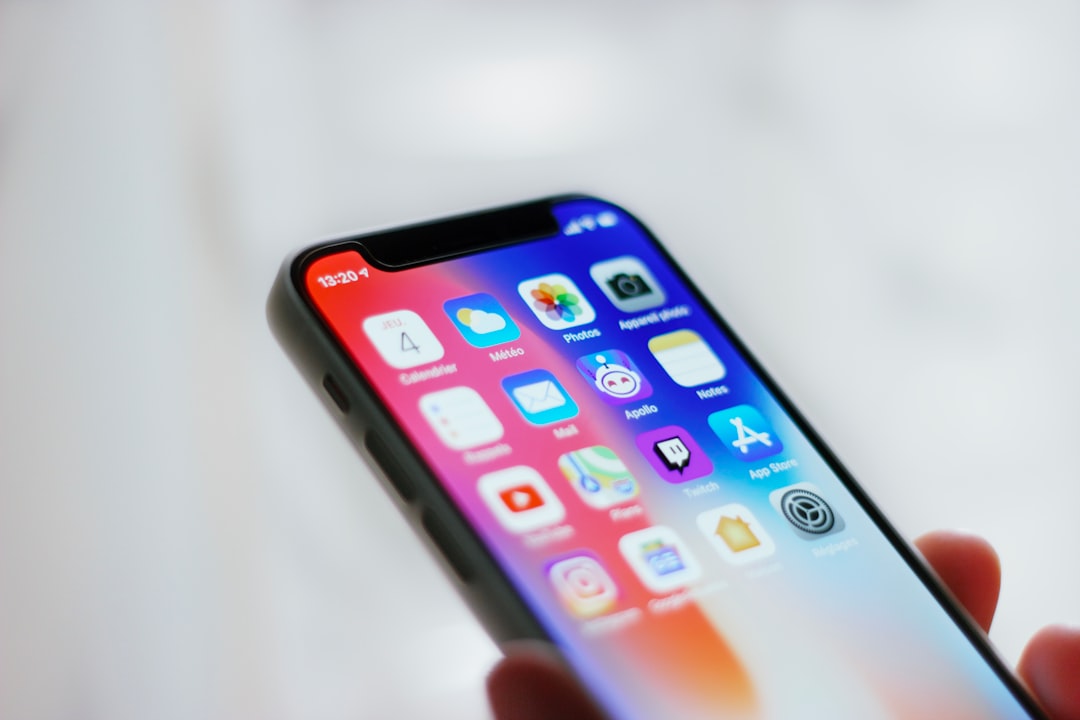
"Spam-text-lawyer-mississippi" encompasses the practice of sending unsolicited text messages, often for commercial purposes, and the legal measures taken to combat this practice, specifically within the state of Mississippi. It is a contemporary issue that highlights the tension between technological innovation and privacy rights. The term reflects the intersection of three critical areas: digital communication, consumer protection, and legal response.
Historically, as telecommunication technologies evolved, so did the methods for contacting consumers. What began with telemarketing calls has now expanded to include spam texts. Mississippi's approach to this issue is indicative of a broader trend where states are taking active roles in regulating digital communication to protect their citizens' privacy and rights.
Global Impact and Trends
The phenomenon of spam text messages is not confined to any single geographic location; it has a global impact. Different regions, countries, and jurisdictions have varying degrees of legislation and enforcement mechanisms in place. The proliferation of smartphones and the increasing reliance on mobile communication platforms have exacerbated this issue worldwide.
Key trends shaping the trajectory of "spam-text-lawyer-mississippi" include advancements in artificial intelligence (AI) for spam detection, evolving consumer behavior, and changing legal landscapes. The global response to spam texts varies, with some regions adopting strict anti-spam legislation and others still catching up. The effectiveness of these measures and the challenges they face are shaped by cultural differences, technological capabilities, and regulatory environments.
Economic Considerations
The economic aspects of "spam-text-lawyer-mississippi" are multifaceted. On one hand, spammers often use mass texting as a low-cost marketing strategy, which can be economically beneficial for legitimate businesses seeking to reach a wider audience. On the other hand, the cost to consumers and the economy at large is significant. Spam texts can lead to loss of productivity, potential scams, and breaches of personal data, resulting in economic harm.
Market dynamics are influenced by these laws; companies must navigate the legal landscape to ensure their communication practices do not violate anti-spam regulations. Investment patterns in cybersecurity and privacy protection technologies have grown as a result, reflecting the economic importance of securing digital communication channels.
Technological Advancements
Technological advancements play a crucial role in combating spam texts. Innovations in AI, machine learning, and natural language processing have significantly improved the ability to detect and filter out spam messages. Real-time analytics and predictive algorithms are becoming more sophisticated, allowing service providers to offer better protection to their subscribers.
The future potential of these technologies includes even more advanced detection systems that can adapt to new spam tactics. As spammers continue to evolve their methods, the technology to counteract them must also advance, creating an ongoing cycle of innovation and adaptation.
Policy and Regulation
Mississippi's approach to regulating spam texts is a case study in itself. The state has enacted specific legislation, such as the Mississippi Anti-Spam Legislation, which outlines clear guidelines for commercial communication via electronic messages. This legislation includes provisions for consumer consent, opt-out mechanisms, and penalties for violations.
At the federal level, the Telephone Consumer Protection Act (TCPA) provides a comprehensive framework for protecting consumers from unwanted telemarketing calls and text messages. These policies have significant implications for businesses, which must ensure compliance to avoid legal repercussions. The effectiveness of these regulations in Mississippi and across the United States serves as a model for other countries developing their own anti-spam measures.
Challenges and Criticisms
The challenges faced by "spam-text-lawyer-mississippi" are manifold. One of the primary criticisms is the difficulty in enforcing anti-spam laws, given the decentralized nature of the internet and the ability of spammers to mask their identities and locations. Additionally, there is a constant cat-and-mouse game between spammers and service providers, with spammers finding new ways to bypass detection systems.
Consumer education remains a critical challenge. Users must understand how to protect their personal information and recognize spam messages. Furthermore, the balance between privacy rights and freedom of expression is a contentious issue that continues to be debated in legal circles and legislative bodies.
Future Prospects
The future of "spam-text-lawyer-mississippi" will likely involve a combination of enhanced technology, more stringent regulations, and increased consumer awareness. As new technologies emerge, so too will the methods for exploiting them. Therefore, it is imperative that legislation keeps pace with technological advancements to protect consumers effectively.
The integration of blockchain technology in telecommunication networks could offer new ways to authenticate messages and prevent spam at its source. Additionally, continued innovation in AI will likely lead to more effective detection and filtering systems. The ongoing dialogue between policymakers, technology developers, and consumer advocacy groups is essential to navigate the evolving landscape of digital communication.
In conclusion, "spam-text-lawyer-mississippi" is a multifaceted issue that underscores the challenges of balancing technological innovation with consumer protection and legal compliance. As the digital world continues to evolve, so too must the strategies to combat spam texts. Through a combination of advanced technology, effective policy, and informed consumers, we can address this modern scourge and protect the rights and privacy of individuals around the globe.
February 24, 2026
Spam Text Lawyer Mississippi Expert
In Spam Text Mississippi, residents of Jackson, Gulfport, and Biloxi face frequent unwanted text messages from spammers. The state has stringent anti-spam laws, including the National Do-Not-Call Registry and a state-specific Do-Not-Text list, significantly reducing spam. Businesses must obtain expl.......
Read more →
February 23, 2026
Spam Text Lawyer Mississippi Expert
In Mississippi, spam calls are illegal without prior consent, with penalties up to $10,000/day. To combat this, consumers should document calls, register with "Do Not Call" lists, and consult Spam call law firms Mississippi. These specialized firms offer guidance on state and federal laws,.......
Read more →
February 23, 2026
Spam Text Lawyer Mississippi Expert
Spam text messages are a growing problem in Tupelo, disrupting residents' lives and eroding trust. Spam call law firms Mississippi enforce strict anti-spam laws, collaborating with telecom providers to filter and block unwanted texts. Through investigations, education, and reporting mechanisms,.......
Read more →
February 14, 2026
Spam Text Lawyer Mississippi Expert
In Mississippi, robocalls and spam texts, facilitated by technological advancements, have become a significant legal and privacy concern. The Mississippi Communications Commission regulates telemarketing, while the FTC reported 73 billion US robocalls in 2024, with many complaints from state residen.......
Read more →